

Smart Beginner Hand Tools for Small Woodworking Shops
The exact hand tool setup I’d start with in a tiny shop — no clutter, no wasted money
In a small woodworking shop, space and budget matter more than owning dozens of tools.
This page exists so you don’t have to scroll through hundreds of Amazon listings and guess what actually works.
Instead of collecting gadgets, this setup focuses on a small number of well‑chosen hand tools that cover the fundamentals: measuring, cutting, cleaning up joints, assembling projects, sanding, and staying safe — without filling your shop or wasting money.
This setup is based on the tools I still use and recommend after years of building in small spaces.
This list is intentionally short .
Beginners don't need more tools — they need better decisions.
What I Mean by “Smart Hand Tools”
When I say smart, I don’t mean expensive or fancy.
Here, smart means:
Tools that replace several single‑purpose tools
Tools you’ll still use after your first year
Tools that work well in tight spaces
Tools that help you learn proper fundamentals
Fewer tools. More capability.
Measuring & Layout
Accurate measurements and clean layout marks are the foundation of every good project. These two tools cover everything a beginner needs to get started.
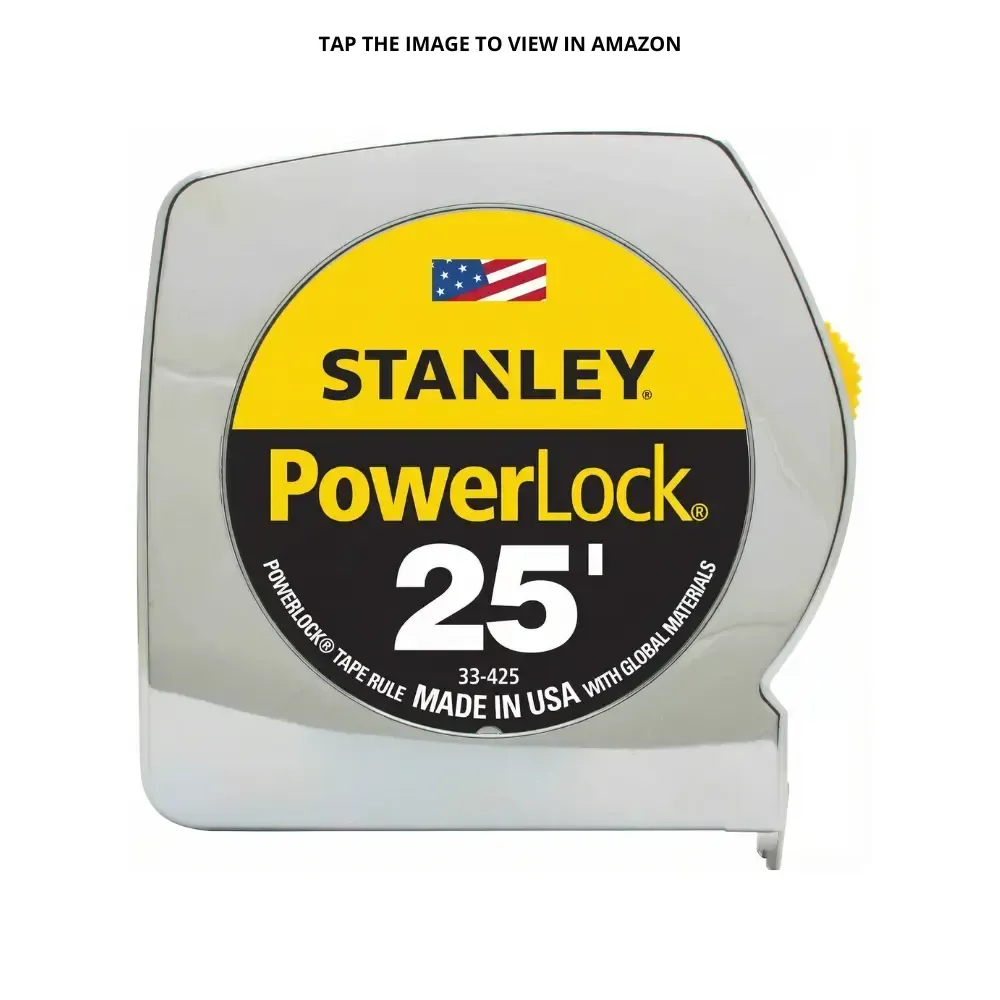
Stanley 25 ft PowerLock Tape Measure
What it is:
A reliable 25‑foot tape measure you can trust on every project.
Why it’s smart in a small shop:
One accurate tape is better than several cheap ones you don’t trust
Long enough for room measurements, lumber, and furniture projects
What you can do with it:
Measure board lengths and sheet goods
Check room dimensions and shop layouts
Plan cuts for shelves, cabinets, and shop projects
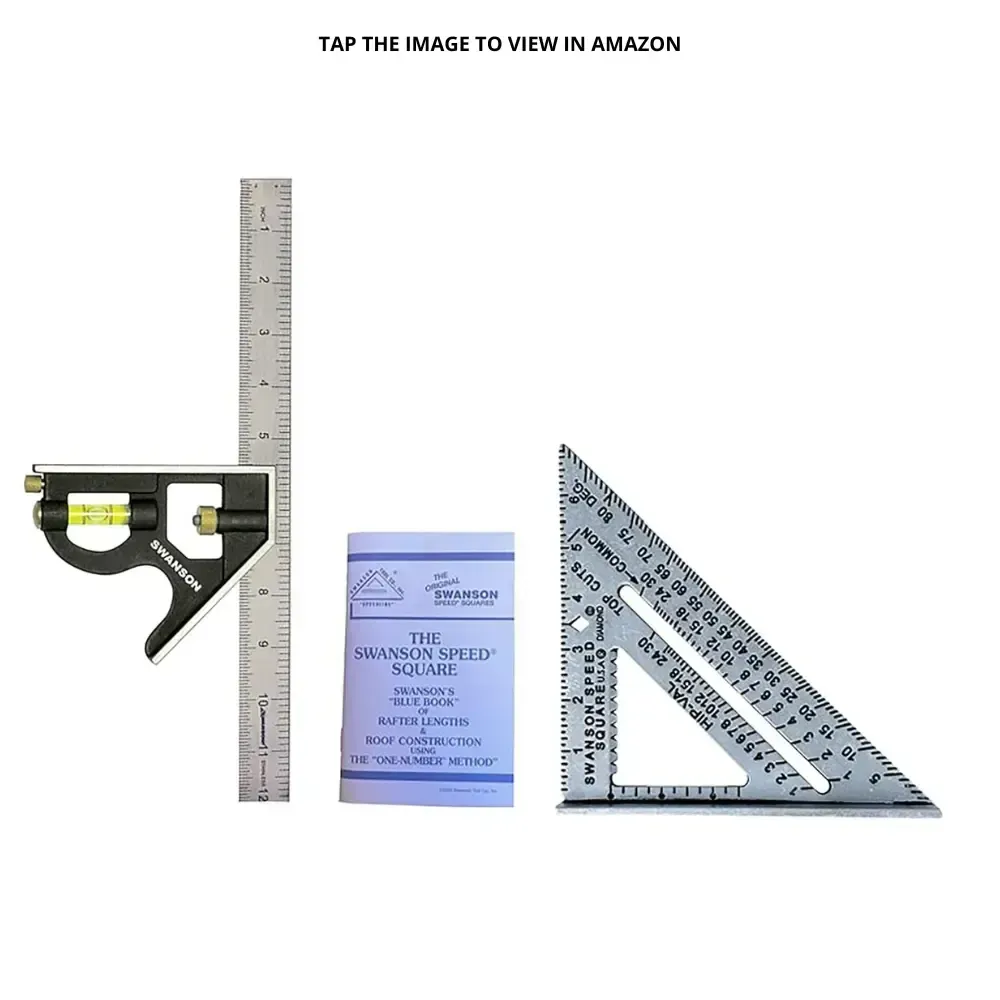
Swanson Speed Square + 12" Combination Square Set
What it is:
A value kit with two essential layout tools: a Speed Square and a 12" combination square, plus a pocket angle-cut guide.
Why it’s smart in a small shop:
One kit covers most layout and marking tasks (90°/45° and more)
Fast, repeatable marks = fewer mistakes and less wasted wood
Durable materials you can rely on for accurate work
What you can do with it:
Mark and verify 90° and 45° cuts quickly
Use the Speed Square as a saw guide and protractor for angles
Measure, mark, and set depths/offsets with the combination square
Cutting & Shaping
You don’t need several saws and a wall of chisels to start. A good hand saw, a basic chisel set, a mallet, and a block plane will take you a long way.
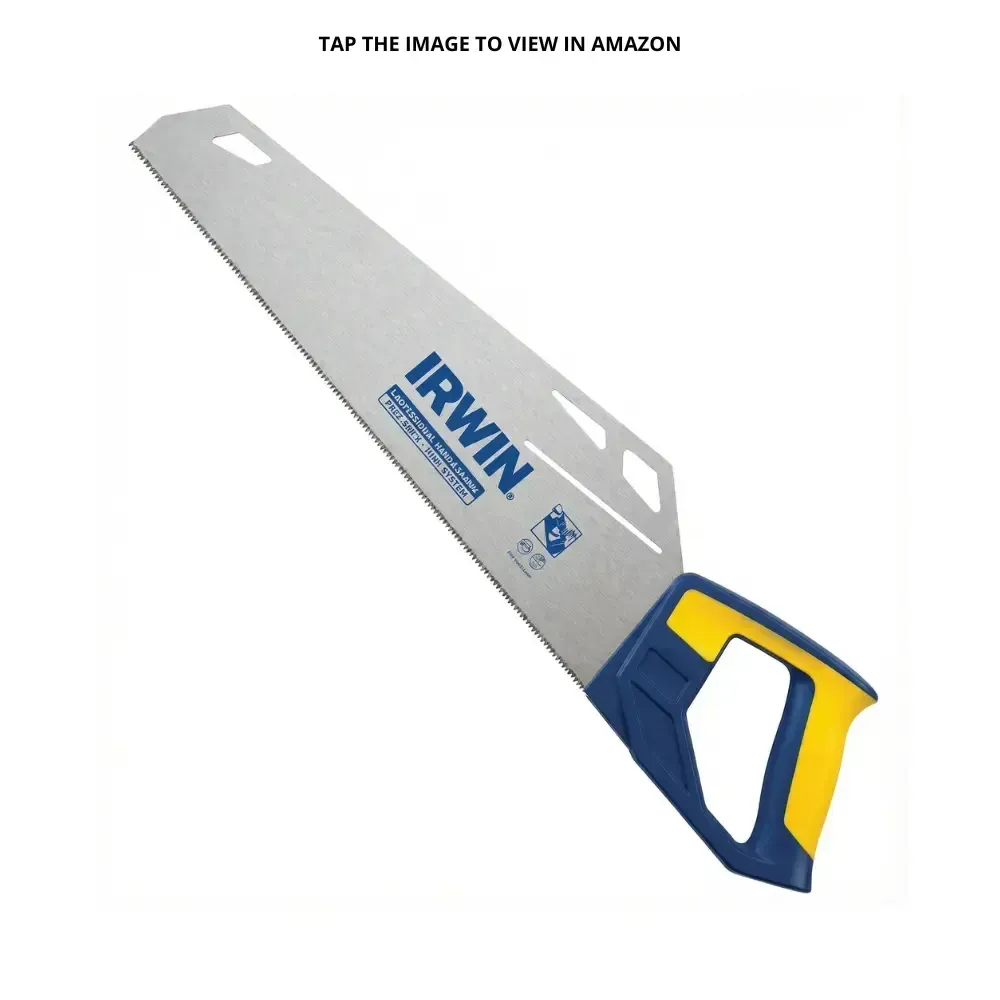
IRWIN Universal 15" Hand Saw
What it is:
A fast-cutting 15-inch handsaw for everyday wood cutting and quick shop jobs.
Why it’s smart in a small shop:
Cuts quickly and smoothly with triple-ground, universal teeth
Easy to control thanks to the stable, thick blade and tapered nose
Comfortable grip helps reduce hand fatigue on longer cuts
What you can do with it:
Crosscut boards and trim lumber to length
Break down small sheet goods and offcuts without setting up a power saw
Handle quick cuts on-site or in the shop when you want simple and quiet cutting
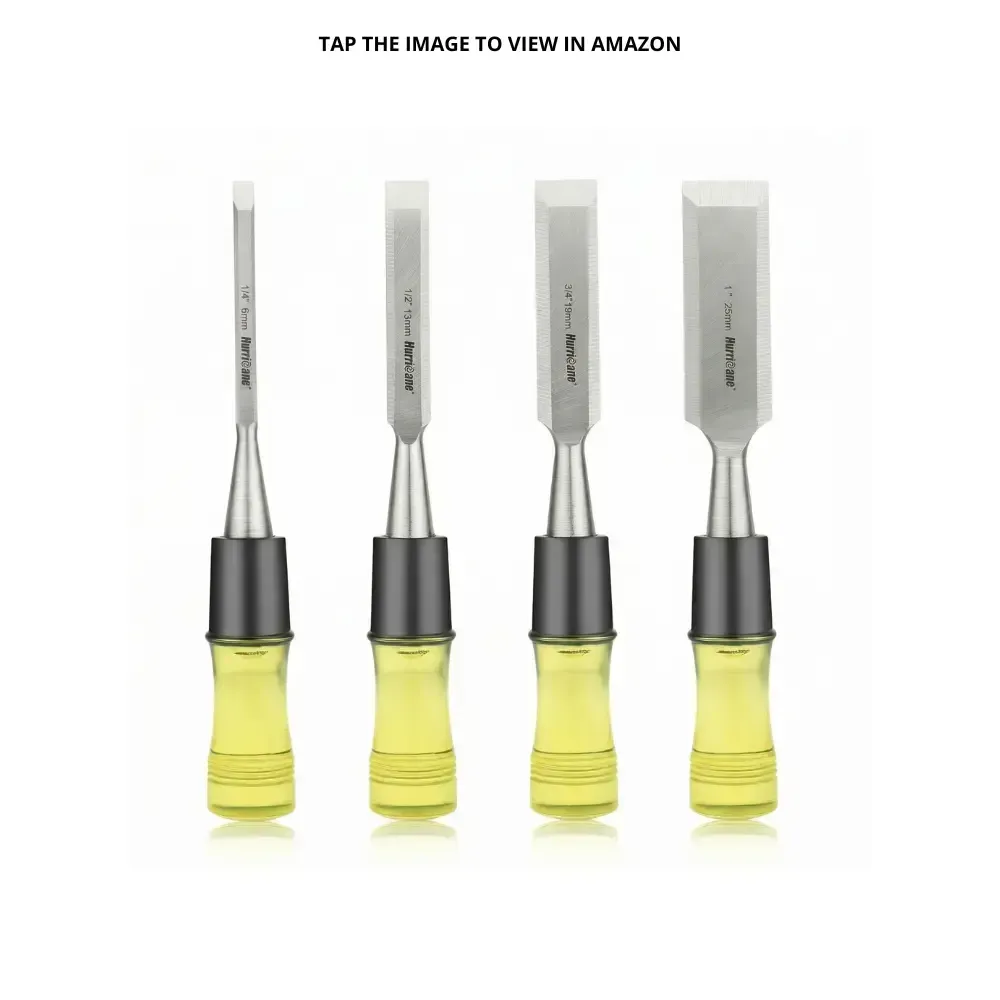
HURRICANE 4-Piece Wood Chisel Set (1/4", 1/2", 3/4", 1")
What it is:
A 4-chisel starter set for clean shaping, trimming, and joinery in woodworking.
Why it’s smart in a small shop:
Four useful sizes cover most basic tasks without buying singles
Beveled edges help reach into corners and work cleanly along lines
Tough handles can take mallet taps, and caps protect edges in storage
What you can do with it:
Pare and clean up joints, dados, and tenons
Chop small mortises and recesses (hinges, door hardware, etc.)
Trim proud glue lines, adjust fit, and square up corners on projects
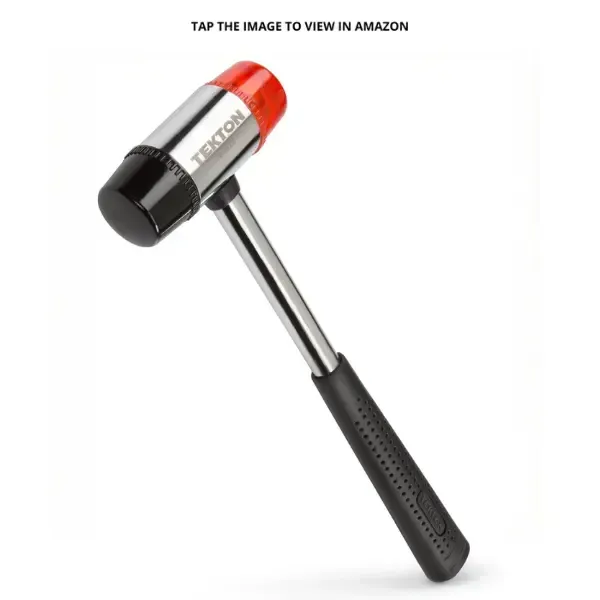
TEKTON Double-Faced Soft Mallet
What it is:
A double-faced soft mallet that hits hard without marring your work.
Why it’s smart in a small shop:
Soft faces protect wood, chisels, and project surfaces from dents
Balanced handle design puts more power into each strike
Comfortable, non-slip grip gives better control and less fatigue
What you can do with it:
Tap joints together during glue-ups without leaving marks
Drive chisels or adjust fit-ups gently and precisely
Seat hardware and align parts during assembly
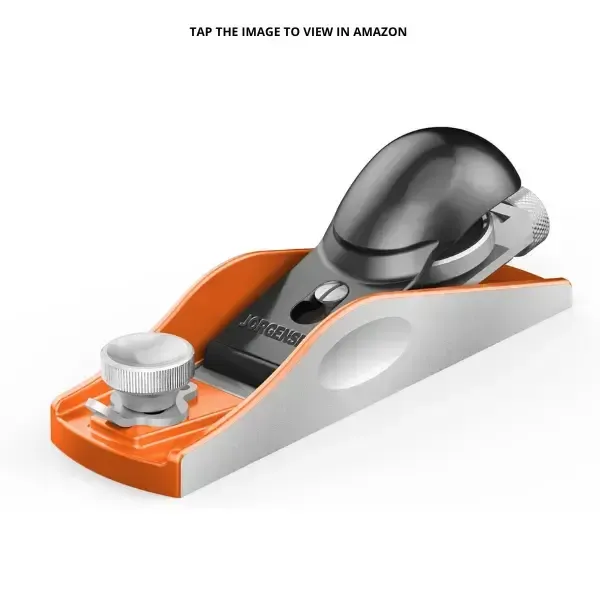
JORGENSEN 6-1/4" Low Angle Block Plane
What it is:
A compact hand plane for trimming, smoothing, and fine-tuning wood parts with control.
Why it’s smart in a small shop:
Low-angle blade is great for clean end-grain and detail work
Adjustable depth and mouth let you go from quick removal to fine shavings
Small tool that replaces a lot of sanding and “almost fits” frustration
What you can do with it:
Flush-trim edges, plugs, and small proud joints
Ease sharp corners and fine-fit drawers, doors, and shelves
Clean up end grain and tweak parts to final size before assembly
Assembly & Clamping
These tools hold your project together while the glue does its work.
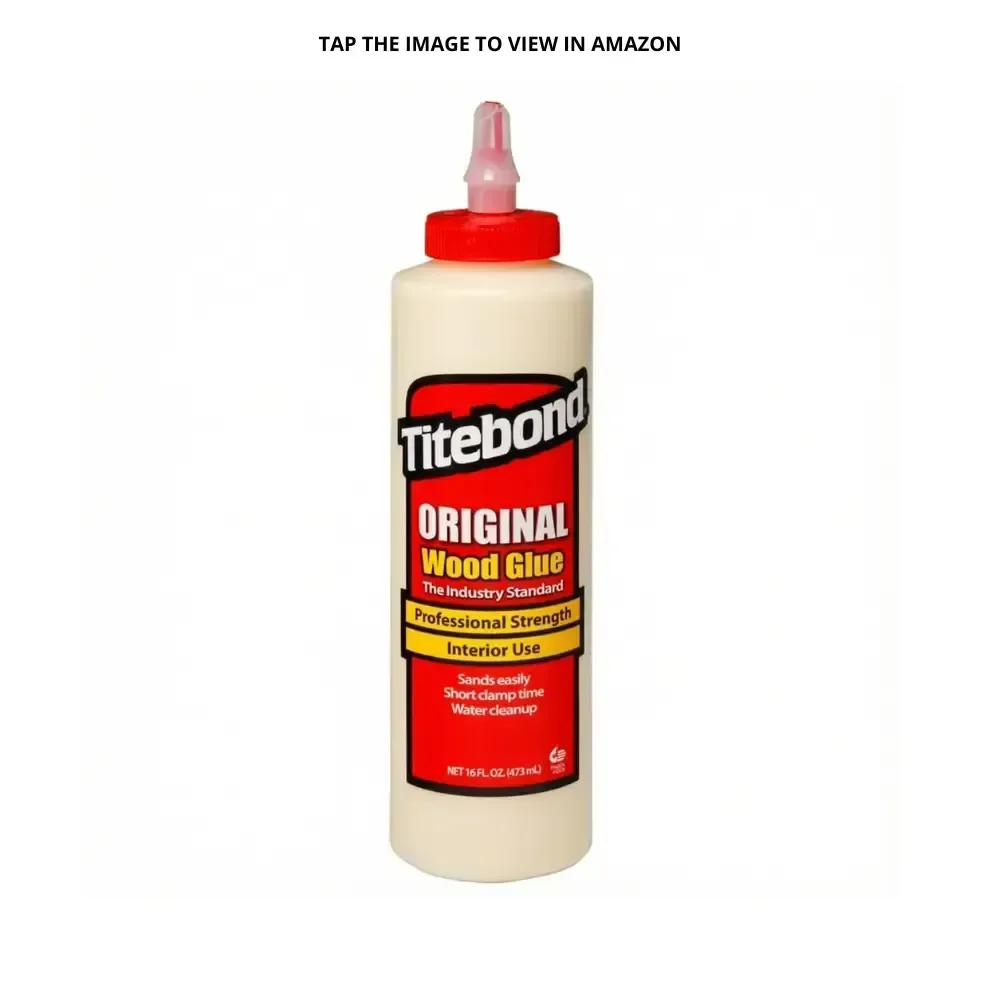
Titebond Original Wood Glue 16 oz
What it is:
A reliable, everyday yellow wood glue for woodworking, assembly, and repairs.
Why it’s smart in a small shop:
Strong, consistent bonds for most indoor wood projects
Sets with good tack so parts don’t slide around as much during clamping
Big 16 oz bottle lasts a long time for regular shop use
What you can do with it:
Glue up panels, edge joints, and frames
Assemble furniture parts and fix loose joints
Handle general indoor repairs and hobby/model builds (not waterproof)

IRWIN QUICK-GRIP 6" Mini Bar Clamp – 4-Pack
What it is:
A 4-pack of compact one-handed clamps for quick holding and light glue-ups.
Why it’s smart in a small shop:
One-hand squeeze makes positioning and clamping fast
Mini size fits tight spots where regular clamps don’t
Non-marring pads grip securely without denting your work
What you can do with it:
Hold small parts for drilling, sanding, or routing
Clamp trim, edging, and small assemblies during glue-up
Use as a “third hand” to align pieces while you screw or nail them in place
Sanding & Safety
Two areas beginners often neglect: surface prep and personal protection.
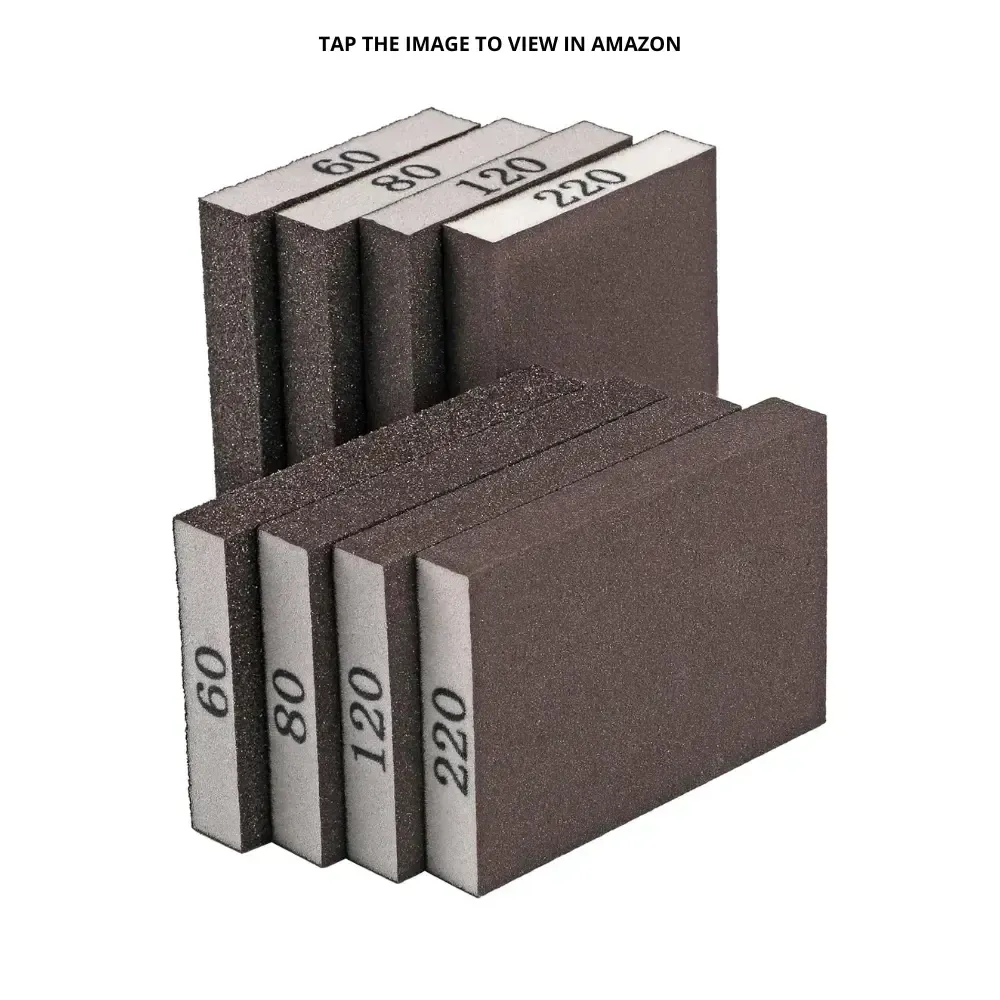
8-Pack Sanding Sponges – 60/80/120/220 Grit
What it is:
A mixed set of washable sanding sponges for rough shaping through final smoothing.
Why it’s smart in a small shop:
Four grits cover most sanding from fast removal to finish prep
Hand-sanding control for edges, corners, and tight spots
Reusable sponges last longer than sheets and are easy to grab anytime
What you can do with it:
Smooth boards, plywood edges, and small parts
Prep surfaces for paint, stain, or clear coat
Sand curved or irregular shapes where a power sander struggles

3M Virtua CCS Safety Glasses
What it is:
Wraparound safety glasses with an anti-fog lens and a removable foam gasket for extra dust protection.
Why it’s smart in a small shop:
Foam gasket helps keep sawdust and debris out around the edges
Anti-fog coating stays clearer during sanding and hot/humid work
CCS temples help manage corded earplugs so PPE is easier to keep together
What you can do with it:
Protect your eyes while cutting, drilling, routing, or sanding
Work in dusty tasks (MDF, drywall, cleanup) with less irritation
Pair with corded earplugs to keep eye + hearing protection ready to grab
How to Use This Setup
This list is not about buying everything at once. It’s a foundation.
1- Choose your first 2–3 simple projects.
2- Buy only the tools those projects require.
3- Build, learn, and get comfortable with the basics.
4- Add tools later as your projects demand more capability.
The result: a small shop filled with tools you actually use.
What’s Next?
Once you’re comfortable with hand tools, a few power tools can dramatically expand what you can build.
Random tools create clutter.
A smart system creates real progress.
Ultimate Small Shop shows you how to choose tools, design your layout, manage dust, and avoid the biggest beginner mistakes.
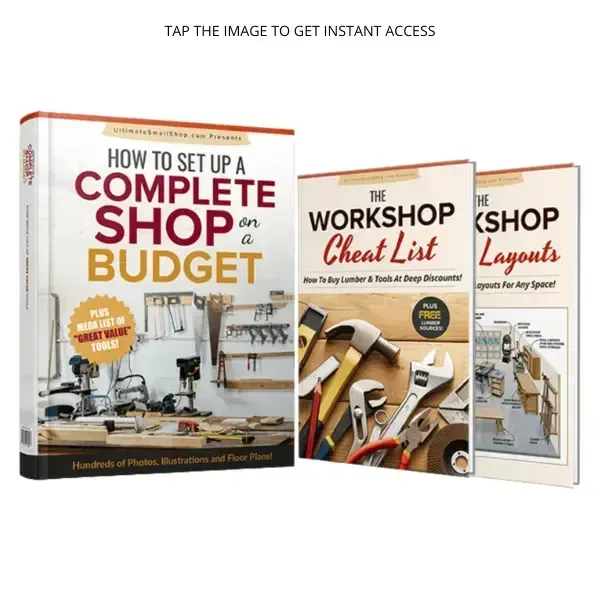
It’s the roadmap I wish I had before I wasted $2,000 and 2 years figuring everything out the hard way.
✓ 60-day money-back guarantee
If a tool stops making sense for beginners or small shops, I remove it from this list.
Affiliate disclosure:
Some links on this page are affiliate links. If you buy through them, I may earn a small commission at no extra cost to you.
I only recommend tools that make sense for beginners and small shops.
Who’s Behind DIY Wood Pro?
I'm Dan Miller — Beginner-Friendly Small Shop Specialist.
I wasted over 2 years and more than $2,000 setting up my first shop the wrong way.
Now I help beginners build smart, organized, small-space shops — without guesswork, overwhelm, or wasted money.

© DIY Wood Pro
Small Woodworking Shops on a Budget
DIY Wood Pro participates in the Amazon Services LLC Associates Program.
Some links on this site are affiliate links.
If you buy through them, I may earn a small commission at no extra cost to you.
I only recommend tools and resources that make sense for beginners and small shops.