
Swanson Speed Square + 12" Combination Square Set
Accurate layout is the skill everything else depends on.
See it on AmazonStart here
You don't need a wall of tools to build your first shelf, box or table. You need about fifteen good ones, bought in the right order. This guide lists them by stage, so you only spend money when a project asks for it.
This guide contains affiliate links. As an Amazon Associate we earn from qualifying purchases, at no extra cost to you. Learn more.

Swanson Speed Square + 12" Combination Square Set
Accurate layout is the skill everything else depends on.
See it on AmazonDEWALT 20V MAX Drill + Impact Driver Kit (DCK240C2)
A drill and an impact driver on one battery handle most builds.
See it on AmazonIRWIN QUICK-GRIP 6" Mini Bar Clamps, 4-Pack
You can never have too many clamps. Start with four.
See it on AmazonKreg Pocket-Hole Jig 320
Pocket holes let you build real furniture in a weekend.
See it on AmazonThese tools are cheap, quiet and teach you accuracy. Many beginners skip them and regret it.
Stanley PowerLock 25 ft Tape Measure
A classic locking tape for board lengths, rough cuts and measuring your space before you build.
Swanson Speed Square + 12" Combination Square Set
The two squares that cover most layout work: square lines, 45° and 90° checks, and depth settings.
RUITOOL 6" Ryoba Japanese Pull Saw
A double-edge pull saw: one side for ripping, one for crosscuts. Thin, sharp and easy to control.
Amazon Basics 8-Piece Wood Chisel Set
A complete starter kit: six chisels plus the honing guide and stone you need to keep them sharp.
Every project ends with glue and clamps. Safety gear goes on before the first power tool.
IRWIN QUICK-GRIP 6" Mini Bar Clamps, 4-Pack
One-handed clamps for glue-ups and for holding parts while you mark, saw or drill.
Titebond Original Wood Glue, 16 oz
The go-to glue for indoor furniture and shop projects. One bottle lasts many builds.
3M Virtua CCS Safety Glasses
Light safety glasses you will actually keep on. Wear them from the very first cut.
ProCase 33 dB Ear Muffs
Saws, routers and shop vacs are loud. These muffs fold flat and hang on a hook by the door.
Buy these when hand tools start slowing you down. One battery platform keeps costs low.
DEWALT 20V MAX Drill + Impact Driver Kit (DCK240C2)
Two tools on one battery: drill holes with one and drive long screws with the other, no bit swapping.
Kreg Pocket-Hole Jig 320
The easiest strong joint for beginners: drill angled holes and screw boards together in minutes.
SKIL 15 Amp 7-1/4" Circular Saw with Laser
Breaks down plywood and long boards to size. The laser line helps you follow your pencil mark.
SKIL 6 Amp Corded Jig Saw
Cuts curves, circles and cut-outs. Tool-free blade changes make it simple to start with.
SKIL 5" Random Orbital Sander
Sanding by hand takes forever. A random orbital sander gets a smooth finish fast without swirl marks.
A stable surface and a way to clean up make every other tool work better.
WORX Pegasus 2-in-1 Folding Workbench (WX051)
A workbench and a sawhorse in one, with clamping dogs. Folds flat when the car needs the garage back.
Armor All 2.5 Gal Wet/Dry Vac
A small shop vac that fits under a bench and cleans sawdust after every session.
The most common beginner mistake is buying a big kit before knowing what you will build. Pick two or three starter projects first, such as a cutting board, a simple bookshelf or a planter box. Then buy only the tools those projects need.
Stay on one battery platform for cordless tools. A second drill from another brand means a second set of batteries and chargers. Corded tools are a good way to save money on tools you use less often, like a jig saw or a router.
Spend on accuracy and safety, save on everything else. A square that is actually square and a pair of safety glasses you will wear matter more than a premium brand name on a sander.
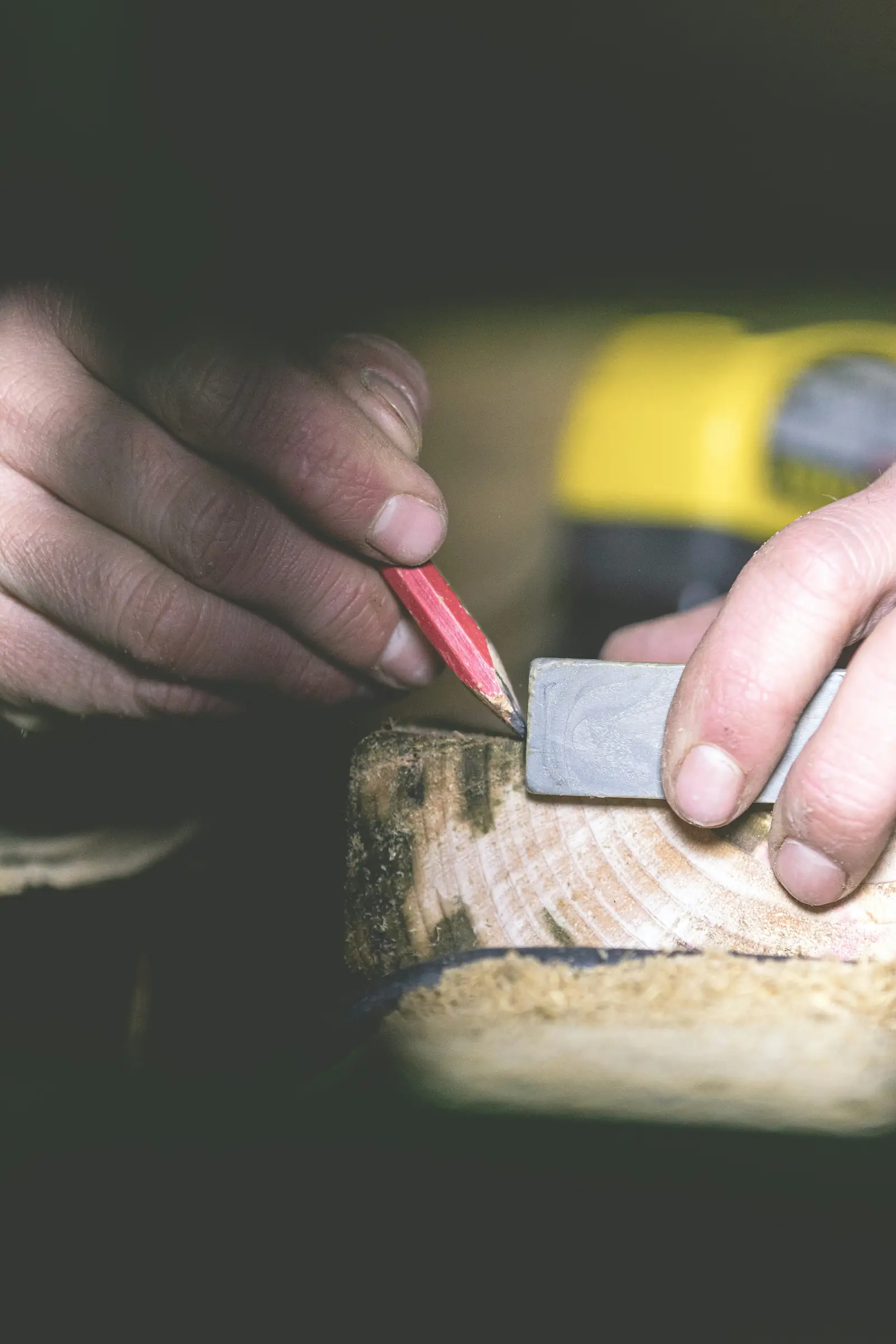
Hand tools first, then clamps and safety, then power tools, then machines. Each stage unlocks a new type of project.
Some cordless tools are sold as "tool only", without battery or charger. The listing says so in the title.
Most power tools carry a manufacturer warranty. Register them the day they arrive.
A sharp chisel is safer than a dull one. A simple honing guide and stone are enough.
A good tape measure and a square. Accurate measuring and marking come before every cut, and they are the cheapest tools in the shop.
No. A circular saw with a straight guide and a hand saw handle most beginner projects. A table saw makes sense once you build furniture often.
Go cordless for the drill and driver, which you use constantly. Corded is fine for a jig saw, sander or router and usually costs less.
Start with four small bar clamps. Most woodworkers end up owning far more, so add them as projects grow.
Product details and availability come from Amazon listings checked on November 24, 2026 and can change. Check the listing before you buy.
Want the whole plan?
Ultimate Small Shop is a paid guide on laying out a small shop, choosing tools in the right order, managing dust and avoiding beginner mistakes.
Third-party product sold by its creator. We may earn a commission if you buy.